
Why Is My Face Peeling? (The Real Causes + How to Heal It Safely)
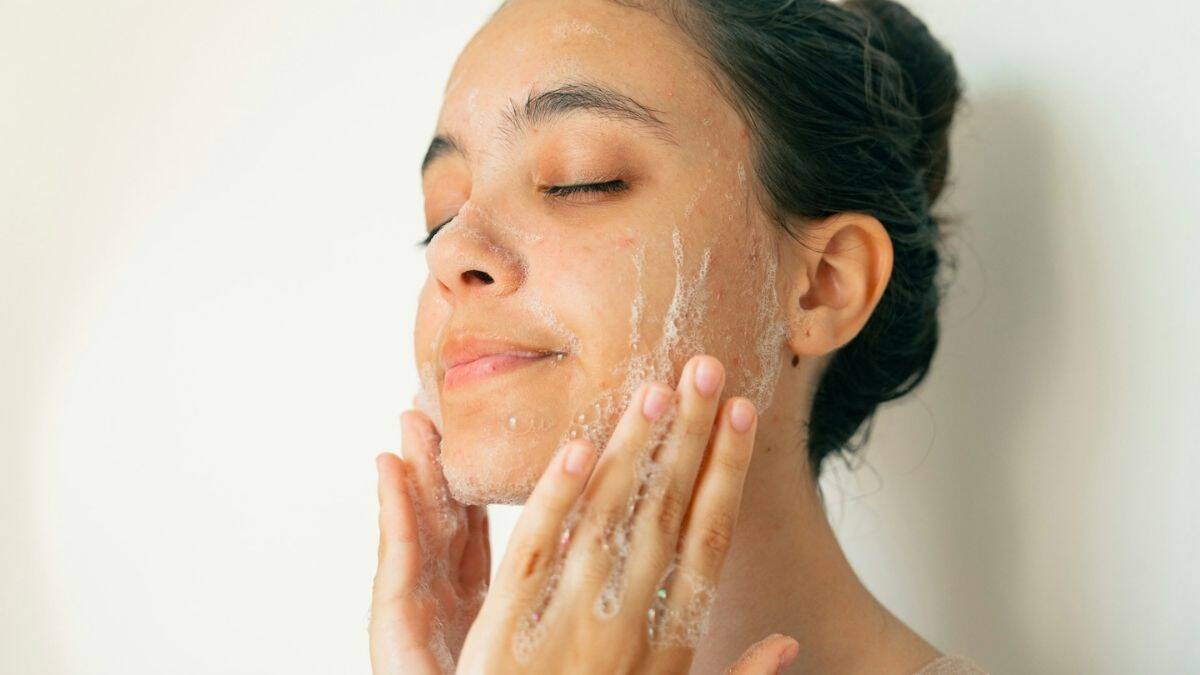

If your face is peeling, flaking, shedding, or “coming off in sheets,” your skin isn’t just dry — it’s signaling barrier damage, inflammation, or accelerated cell turnover.
Why is my face peeling is one of the most panic-driven skincare searches, because peeling is visible, uncomfortable, and often feels like your skin is suddenly “falling apart.”
This guide explains what facial peeling really means, what silently causes it, why exfoliating usually makes it worse, and how to heal peeling skin safely without creating long-term sensitivity.
What Facial Peeling Actually Means
Peeling skin is not random shedding.
It is your skin accelerating cell turnover because the protective lipid barrier has been compromised, inflamed, or injured. When this happens, your skin sheds surface cells faster than normal, often in visible flakes, sheets, or rough patches.
This same barrier breakdown is explained in what is the skin barrier and what damages the skin barrier — and it explains why peeling often comes with burning, redness, tightness, and stinging.
The Biological Chain Reaction Behind Peeling
Before we break down individual causes, here’s the chain reaction that almost always leads to peeling:
- Barrier lipids are stripped
- Inflammation rises
- Cell turnover accelerates
- Skin sheds unevenly
- Visible flakes and peeling appear
Once this starts, exfoliating worsens the process — because your skin is already shedding too fast.
The Real Causes of Facial Peeling
Over-Exfoliation
Chemical exfoliants, peel pads, scrubs, and resurfacing toners thin the stratum corneum and strip lipid structure. This increases transepidermal water loss, triggers inflammation, and causes uneven shedding. This is why exfoliation spacing and recovery nights are emphasized in glycolic acid vs salicylic acid — aggressive exfoliation silently causes peeling.
Retinoids & Prescription Acne Treatments
Retinol, tretinoin, adapalene, and benzoyl peroxide accelerate cell turnover and thin the barrier. When overused, they weaken lipid structure and create redness, flaking, peeling, and burning — often mistaken as “purging,” which is clarified in does tretinoin cause purging.
Dehydration (High TEWL)
When your barrier can’t hold water, skin cells contract and shed irregularly, causing flakes and peeling. This is common even on oily skin and is explained deeply in dehydrated skin vs dry skin.
Cold Weather & Indoor Heating
Low humidity pulls moisture from your skin, weakens barrier structure, and accelerates shedding — covered in how to prevent dry skin.
Harsh Cleansers & Over-Cleansing
Foaming and high-pH cleansers dissolve lipid structure and worsen dehydration — leading to peeling and tightness, as seen in tight skin after washing.
Fragrance, Alcohol & Essential Oils
These penetrate deeper on compromised skin, worsening inflammation and shedding.
Skipping Moisturizer
Skipping moisturizer increases dehydration and oil compensation, creating peeling and breakouts simultaneously — described in flaky skin but oily.
UV Damage
Sun exposure weakens barrier lipids and triggers inflammation, worsening peeling — sunscreen is part of the skin barrier repair routine.
Constant Product Switching
Frequent product changes keep your skin inflamed — minimalist routines like how to build a minimalist skincare routine heal peeling skin faster.
How to Heal a Peeling Face Safely
Follow this barrier-first repair plan:
• Pause exfoliants & retinoids
• Cleanse gently once daily
• Hydrate damp skin — best hydrating toner for dry sensitive skin
• Rebuild lipids — best moisturizers with ceramides & peptides
• Seal with occlusive at night
• Sunscreen daily
• Follow skin barrier repair routine
How Long Does Peeling Take to Heal?
Mild peeling: 3–7 days
Moderate peeling: 1–3 weeks
Severe peeling: 3–6+ weeks
Full timelines explained in how long does skin barrier repair take.
FAQs: Why Is My Face Peeling
Why is my face peeling all of a sudden?
Because your barrier was weakened by exfoliation, retinoids, climate, or cleansing habits.
Should I exfoliate peeling skin?
No — exfoliating prolongs peeling.
Can oily skin peel?
Yes — dehydration can cause peeling even on oily skin.
Can moisturizer burn on peeling skin?
Yes — nerve endings are exposed. See why does my moisturizer burn.
Can peeling turn into sensitivity?
Yes — chronic peeling often leads to sudden sensitivity. See what causes sudden sensitive skin.


