
How to Apply Facial Oil Correctly: Step-by-Step Guide for Glowing Skin


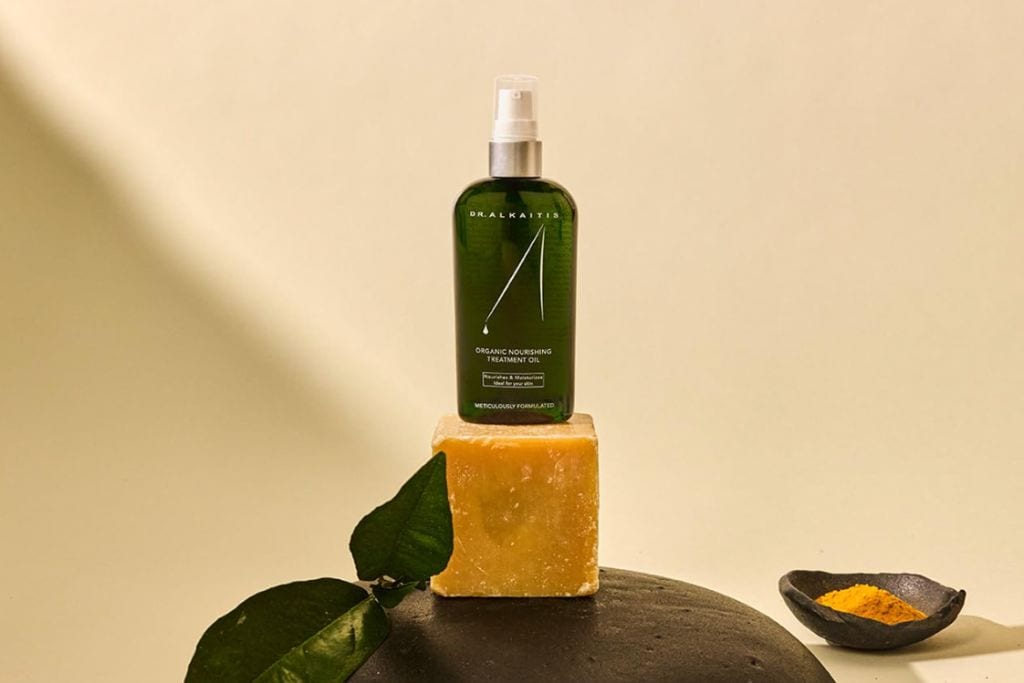
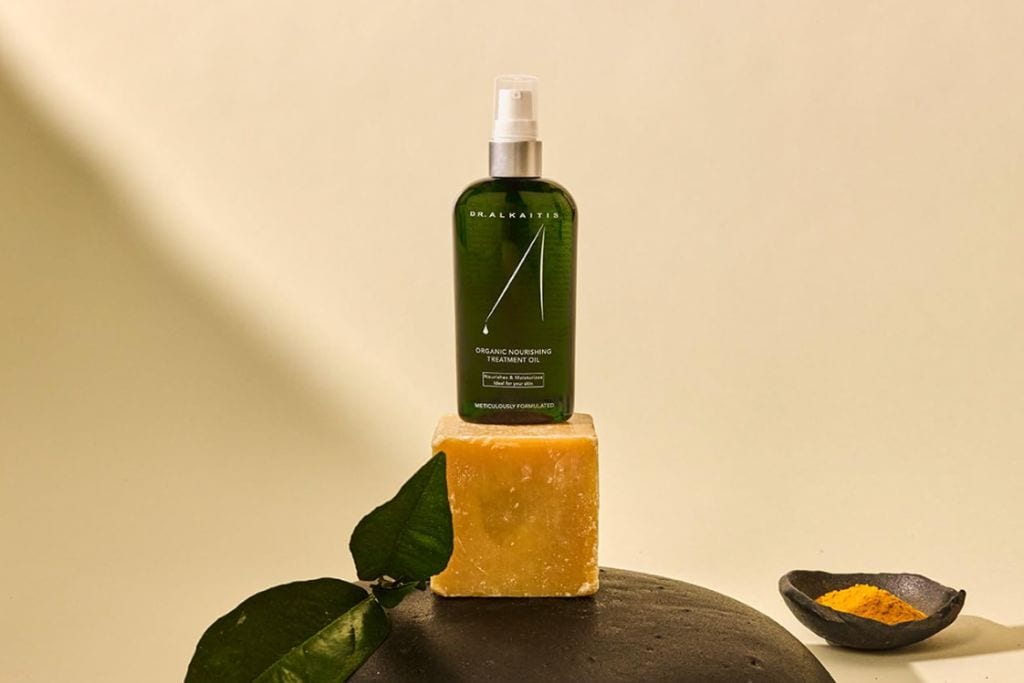
I get a lot of questions about when and how to apply facial oil correctly, so today, I’m sharing the way I recommend you do it, using my absolute favorite — Dr. Alkaitis’s Organic Nourishing Treatment Oil. (Trust me, I’ve tried so many face oils, but I always come back to this one!)
Facial oils can be game-changers in any skincare routine—delivering hydration, radiance, and that healthy glow everyone craves. But using them incorrectly can leave your skin feeling greasy or even cause breakouts.
So how do you apply facial oil correctly?
In this comprehensive guide, I’ll walk you through the best way to apply facial oil, highlight the incredible benefits of Dr. Alkaitis’s Organic Nourishing Treatment Oil, and share expert tips to ensure you get the most from your skincare routine.
Product Spotlight
⭐️⭐️⭐️⭐️⭐️ Dr. Alkaitis Organic Nourishing Treatment Oil
“Experience our triple award-winning ‘miracle in a bottle’ – a divinely scented fusion of certified organic and ethically wild-crafted silky-soft, lightweight oils enriched with potent plant extracts and vitamin complexes.”
Why Use a Face Oil?
Facial oils provide a natural way to lock in moisture and strengthen the skin barrier. They’re packed with fatty acids, antioxidants, and vitamins that nourish the skin and help fight signs of aging. Unlike some moisturizers, oils can penetrate deep into the skin, delivering hydration and nutrients where they’re needed most.
One of my favorite facial oils is Dr. Alkaitis’s Organic Nourishing Treatment Oil—a luxurious, all-natural blend that works wonders on dry, dehydrated, or even combination skin. Its lightweight formula absorbs beautifully, leaving skin plump and glowing without feeling heavy.
How to Choose the Right Facial Oil for Your Skin Type
Not all facial oils are created equal. Choosing the right one depends on your skin’s unique needs:
✅ Dry or Dehydrated Skin: Look for rich, nourishing oils like argan, avocado, or rosehip that deeply hydrate and help repair the skin barrier. Dr. Alkaitis’s Organic Nourishing Treatment Oil is perfect here—its blend of evening primrose oil and vitamin E is deeply soothing.
✅ Oily or Acne-Prone Skin: Opt for lighter oils like jojoba or squalane, which mimic the skin’s natural sebum and can actually help balance oil production. Indie Lee’s Squalane Facial Oil is light and receives great reviews.

✅ Sensitive Skin: Choose oils with calming properties like chamomile, calendula, or St. John’s wort—Dr. Alkaitis’s formula includes St. John’s wort to reduce redness and irritation.
✅ Mature Skin: Look for oils high in antioxidants like pomegranate or sea buckthorn to fight signs of aging and promote elasticity. For mature skin, try True Botanicals Chebula Oil; this is another miraculous product worth the high price tag.
Knowing your skin type helps you select the perfect facial oil—and get the most benefit from your routine.
Step-by-Step Guide to Applying Facial Oil
Applying facial oil correctly can make all the difference in how your skin looks and feels. Here’s the step-by-step guide:
Step 1 – Prepping Your Skin
Before applying any facial oil, make sure your skin is clean and slightly damp. A gentle cleanser will remove impurities and prep your skin to absorb the oil more effectively. Pat your skin dry—but leave it slightly moist to help the oil lock in hydration.
💡 Pro Tip: If you use a toner or essence, apply that before your facial oil to enhance absorption.
Step 2 – Choosing the Right Oil
Not all oils are created equal. For dry or combination skin, choose lightweight, organic oils like Dr. Alkaitis’s Organic Nourishing Treatment Oil, which is packed with plant-based antioxidants and essential fatty acids. It’s especially effective for soothing irritation and boosting hydration without clogging pores.
Why Dr. Alkaitis? This oil is 100% organic, free of synthetic additives, and contains a potent blend of evening primrose oil, St. John’s wort, and vitamin E—all of which work together to calm, heal, and deeply moisturize the skin.
Step 3 – Techniques for Maximum Absorption
Warm It Up
Dispense 2-3 drops of facial oil into your palm. Rub your hands together to warm the oil—this helps it spread more evenly and absorb better.
Press and Pat
Gently press the oil onto your face and neck using an upward motion. Avoid dragging or rubbing harshly, which can cause irritation. Focus on areas that feel dry or tight.
Massage (Optional)
For an extra boost of relaxation and absorption, spend a minute massaging the oil in circular motions. This increases circulation and helps the oil penetrate deeper.
The Best Facial Oil: Dr. Alkaitis’s Organic Nourishing Treatment Oil
Dr. Alkaitis’s Organic Nourishing Treatment Oil is my top recommendation because of its multi-functional benefits:
- Deep Hydration: This oil penetrates the skin’s deeper layers, replenishing moisture from within.
- Soothing and Calming: The blend of organic botanicals helps reduce redness and irritation, making it perfect for sensitive or reactive skin.
- Versatile Use: It can be used as a daily facial oil, a hair treatment, or even a body oil—making it an incredibly versatile addition to your skincare arsenal.
- Lightweight Formula: Unlike some oils that sit on top of the skin, this one absorbs beautifully without leaving a greasy residue.
Personal Note: I’ve found that even on days when my skin feels tight or flaky, a few drops of Dr. Alkaitis’s Nourishing Treatment Oil transform it into a plump, dewy canvas—perfect for makeup or going barefaced. It also works wonders after a long day in the sun or harsh weather.
Check out our guide to the 13 Best Skincare Products for Glowing Skin
When to Apply a Facial Oil in Your Skincare Routine
For best results, apply your facial oil after your serum but before your moisturizer—this helps seal in the active ingredients from your serum and creates a barrier to prevent water loss.
If your moisturizer is lightweight, you can mix a drop or two of facial oil into it for an added hydration boost. In the morning, follow with sunscreen to protect your skin.
Layering Facial Oils with Other Skincare Products
Facial oils can be a powerful addition to your skincare routine, but knowing how to layer them with other products is key:
✅ After Serums: Always apply facial oil after any water-based serums. This helps seal in the serum’s active ingredients and prevents them from evaporating.
✅ Before Moisturizer (Optional): If your skin is extremely dry, apply oil before a rich cream for extra hydration.
✅ Mix with Foundation: For a dewy makeup finish, mix a drop of facial oil with your foundation—it’ll give your skin a radiant, healthy glow.
Pro Tip: Avoid layering too many heavy products on top of facial oil, as it can lead to pilling or make your skin feel greasy.
Additional Tips for Using Facial Oils
- Use sparingly: A little goes a long way. Start with 2-3 drops and build up as needed.
- Don’t forget your neck and décolletage: These areas often show signs of aging first and benefit from the same care as your face.
- Adjust with the seasons: You may need more oil in the winter and less in the summer—listen to your skin’s needs.
Common Mistakes When Applying Facial Oil
❌ Applying too much oil at once—this can leave skin greasy and may clog pores.
❌ Using oil on dirty or dry skin—always apply on clean, slightly damp skin for better absorption.
❌ Rubbing aggressively—this can damage the skin barrier.
Why Applying Facial Oil Correctly Matters
Applying your facial oil the right way ensures you get the maximum benefits from the product. You’ll see:
✅ Better hydration and skin elasticity.
✅ Improved absorption of nutrients and antioxidants.
✅ Enhanced overall glow and radiance.
Expert Tips from Dermatologists
Dermatologists agree that facial oils can be a fantastic addition to any skincare routine—if used correctly. Here’s what the experts say:
🩺 Dr. Amanda Lewis, Dermatologist: “Use facial oils as the last step in your evening routine to lock in hydration and repair the skin barrier overnight.”
🩺 Dr. Raj Patel, Skincare Specialist: “Look for oils that are non-comedogenic, especially if you have acne-prone skin. Jojoba and squalane are great choices.”
🩺 Dr. Maria Chen, Cosmetic Dermatologist: “Always apply facial oil to slightly damp skin for maximum absorption and to avoid leaving a greasy layer on top.”
FAQs: How to Apply Facial Oil Correctly
Can I use facial oil if I have oily skin?
Absolutely! Lightweight oils like jojoba and squalane can help regulate oil production. I’ve had oily skin my entire life. Even though it’s counterintuitive, using oil on oily skin slows the production of your natural oils. I use Dr. Alkaitis Nourishing Oil.
Should I apply facial oil in the morning or at night?
Both are fine. Use in the morning for a dewy look under makeup, and at night for deep hydration while you sleep.
How often should I use facial oil?
Daily or every other day, depending on your skin’s needs and the season.
Conclusion
Knowing how to apply facial oil correctly can transform your skincare game, leaving you with hydrated, glowing, and healthy skin. Dr. Alkaitis’s Organic Nourishing Treatment Oil is my top pick for its all-natural, versatile, and luxurious formula. Use it daily—or whenever your skin needs some extra TLC—and experience the difference in your skin’s texture and radiance.
Ready to get started? Shop Dr. Alkaitis’s Organic Nourishing Treatment Oil here and bring your skincare routine to the next level.


