
Can You Use Niacinamide and Vitamin C Together?
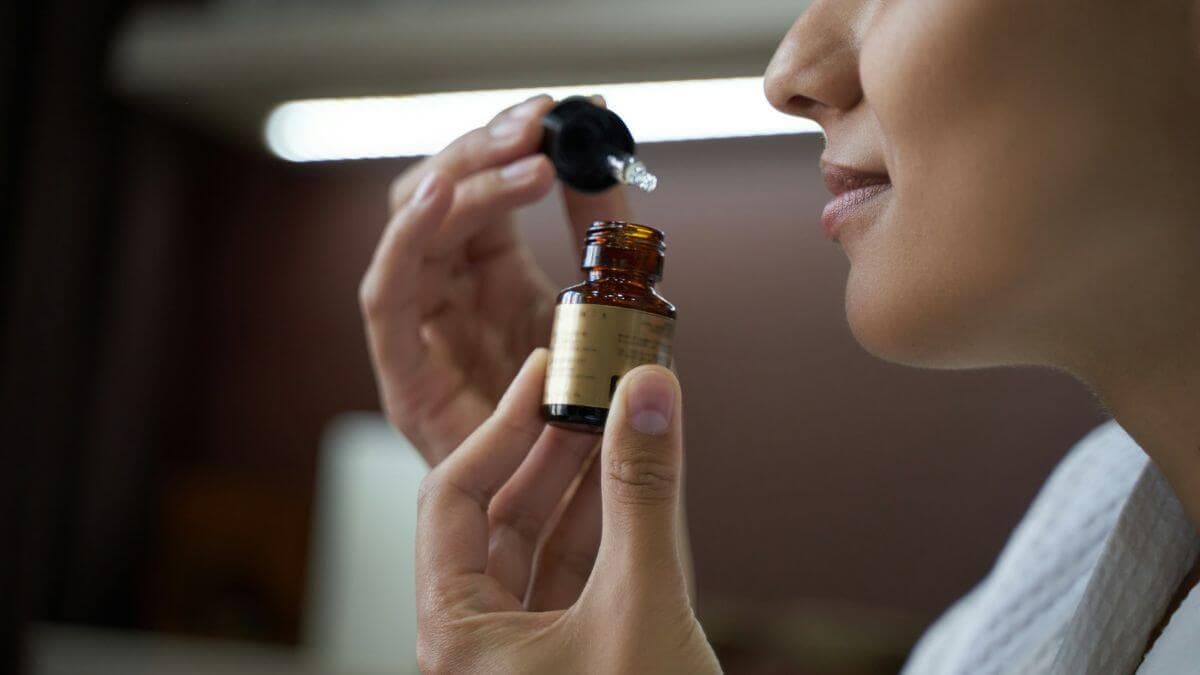
If you’re just getting into skincare, you may be wondering: can you use niacinamide and vitamin C together? For years, people believed these two powerhouse ingredients canceled each other out. But today, dermatologists agree that not only can you use them together, they actually make an incredible pair when layered the right way.
This guide explains the science, how to combine them in your routine, and which products are best for beginners. Along the way, I’ll link you to posts like my Beginner Skincare Routine: A 5-Step Plan to Get Your Glow Back and Morning vs Night Skincare Routine so you can confidently fit niacinamide and vitamin C into your regimen.
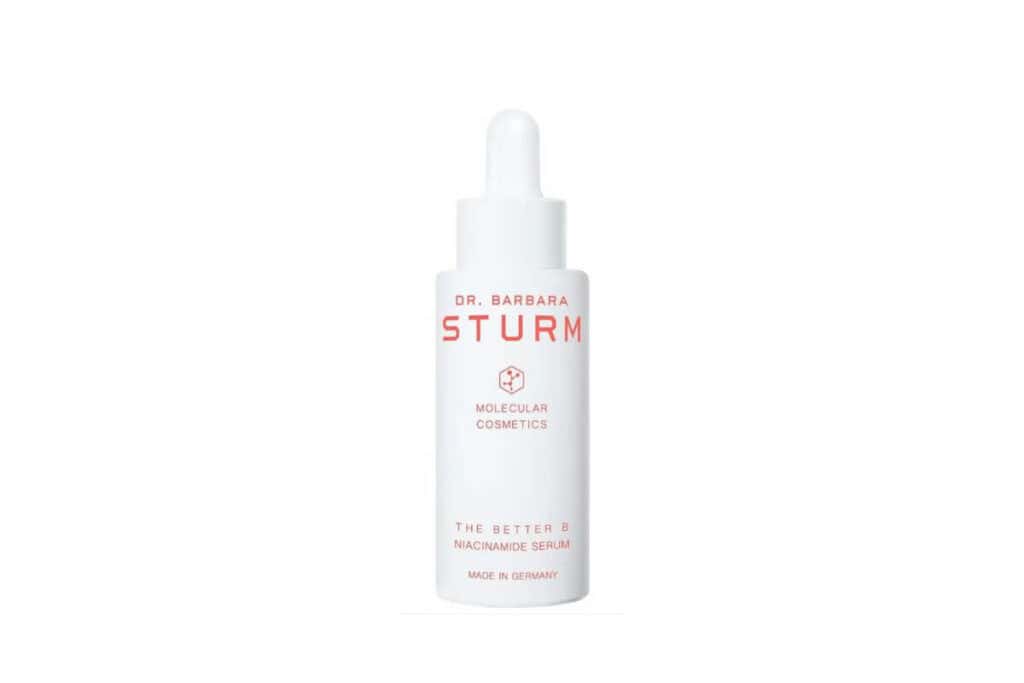
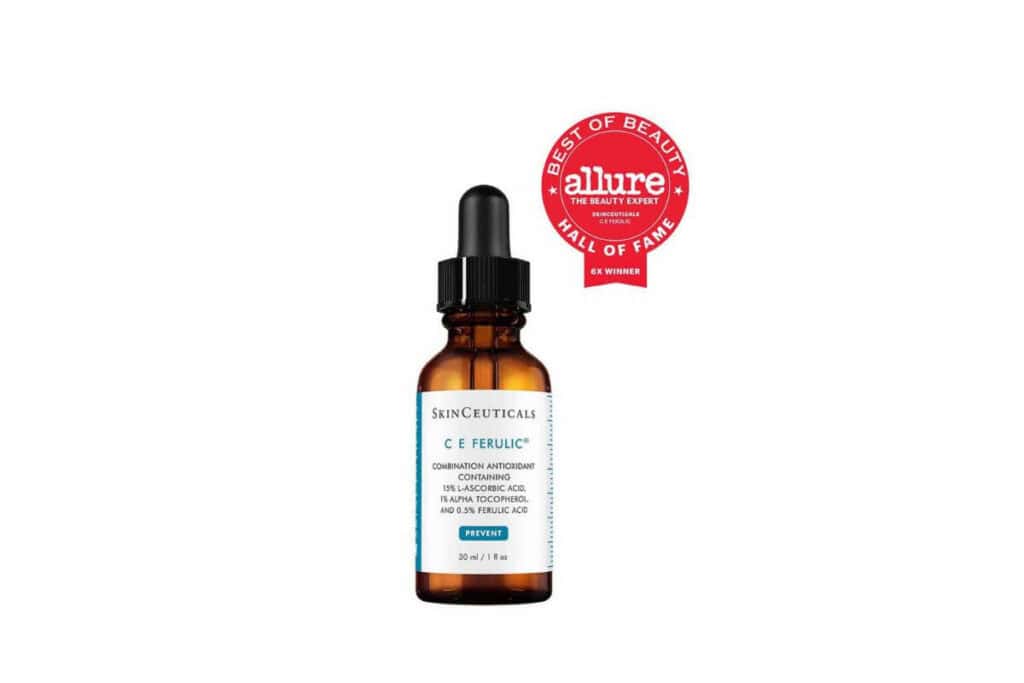
Quick Picks for Beginners
What Is Niacinamide?
Niacinamide is a form of vitamin B3 that strengthens the skin barrier, reduces redness, and improves hydration. It’s well-tolerated by most skin types and is especially helpful for:
- Oily or acne-prone skin (balances oil production)
- Sensitive skin (calms redness and irritation)
- Dull or dehydrated skin (improves elasticity and hydration)
Because it’s gentle, niacinamide is often included in beginner routines. If you’re just starting your skincare journey, my Beginner Skincare Routine explains why it’s one of the best starter ingredients.
What Is Vitamin C?
Vitamin C is an antioxidant that protects skin from free radicals, brightens dark spots, and supports collagen production. The most potent form, L-ascorbic acid, works best in a slightly acidic environment. Common benefits include:
- Fading hyperpigmentation
- Evening out skin tone
- Brightening dull skin
- Preventing premature aging
Vitamin C is usually applied in the morning under sunscreen. For a full breakdown of how morning routines differ from night, see my Morning vs Night Skincare Routine.
The Old Myth: Niacinamide and Vitamin C Cancel Each Other Out
For years, skincare enthusiasts avoided combining these two ingredients. The belief came from outdated studies in the 1960s suggesting that niacinamide and vitamin C could form niacin, which might cause redness and irritation.
But modern formulations and research have debunked this myth. Dermatologists now confirm that niacinamide and vitamin C are safe to use together and may even enhance each other’s benefits.
Can You Use Niacinamide and Vitamin C Together?
Yes — not only can you use them together, but they can complement each other beautifully. Here’s why:
- Niacinamide strengthens the skin barrier, making it more tolerant of vitamin C’s acidity.
- Vitamin C brightens and fights free radicals, while niacinamide reduces redness, creating a balanced effect.
- Using them together helps target both pigmentation and irritation simultaneously.
👉🏻 For beginners, this is a great way to get both antioxidants and barrier support in one routine.
How to Layer Niacinamide and Vitamin C Correctly
The key is order and formulation:
- Cleanse with a gentle, low-pH cleanser.
- Vitamin C first — apply your vitamin C serum (L-ascorbic acid works best at low pH).
- Niacinamide second — follow with your niacinamide serum or moisturizer.
- Moisturizer to lock it in.
- Sunscreen every morning.
👉🏻 If you’re new to active ingredients, my Beginner Skincare Routine post lays out the essential steps before layering treatments.
Should You Use Them Morning or Night?
Most dermatologists recommend:
- Vitamin C in the morning to fight free radical damage from UV exposure.
- Niacinamide morning or night — it’s flexible and non-irritating.
You can even use vitamin C in the morning and niacinamide at night if layering feels too heavy. See my Morning vs Night Skincare Routine for more examples of how to split actives.
Product Recommendations
If you want to start combining these, here are some beginner-friendly products:
- Vitamin C Serums: Look for stable formulas with L-ascorbic acid or derivatives.
- Niacinamide Serums: Choose 5–10% concentrations for beginners.
👉🏻 For a curated list of hydrating, barrier-friendly formulas, check out my Best Anti Aging Serums roundup — many pair niacinamide and vitamin C safely.
Tips for Beginners Combining Niacinamide and Vitamin C
- Start with one ingredient at a time for 1–2 weeks to test tolerance.
- Once your skin feels comfortable, begin layering.
- Always patch test when introducing new serums.
- If irritation occurs, alternate days instead of layering.
Who Should Avoid Using Them Together?
Most people tolerate the combo well, but exceptions include:
- Extremely sensitive or eczema-prone skin (start slow).
- Those using other strong actives like tretinoin or glycolic acid at the same time.
👉🏻 If you’re new to retinoids, my Beginner Skincare Routine and How to Layer Retinol and Hyaluronic Acid posts will help you avoid overwhelming your skin.
FAQs: Can You Use Niacinamide and Vitamin C Together?
Can you use niacinamide and vitamin C at the same time?
Yes, they can be layered safely. Apply vitamin C first, then niacinamide.
Does niacinamide cancel out vitamin C?
No. That’s an outdated myth. Modern formulations are stable and effective together.
Should you use niacinamide and vitamin C in the morning or night?
Vitamin C is best in the morning under sunscreen; niacinamide can be used morning or night.
Can sensitive skin use niacinamide and vitamin C?
Yes, but start with lower concentrations and alternate days if irritation occurs.
Do you need to wait between applying vitamin C and niacinamide?
No, you can apply them back-to-back. Just follow with moisturizer.
Which goes first: vitamin C or niacinamide?
Vitamin C first (lower pH), then niacinamide.
Can you buy products that combine both?
Yes. Some serums blend niacinamide and vitamin C in one stable formula, making layering even easier.
Conclusion
So, can you use niacinamide and vitamin C together? Absolutely. These two ingredients, once thought incompatible, are now considered a powerful duo. Vitamin C brightens and protects, while niacinamide soothes and strengthens — the perfect balance for beginners building their first routine.
Start slowly, layer correctly, and keep sunscreen as your final step. With time, you’ll see brighter, calmer, and healthier skin.


